No products in the cart.


$140.00 Original price was: $140.00.$120.00Current price is: $120.00.
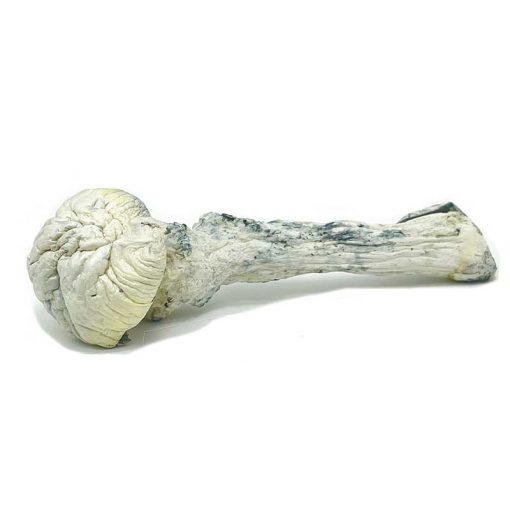
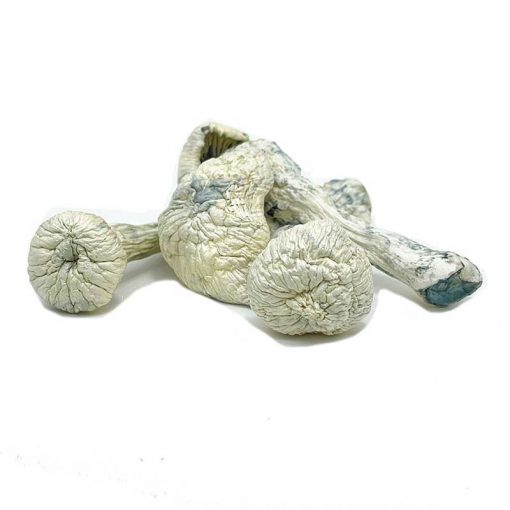
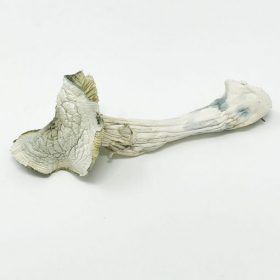
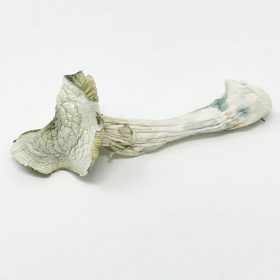
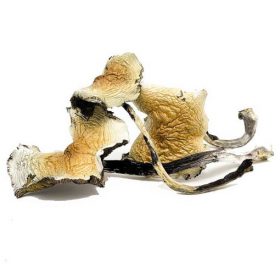
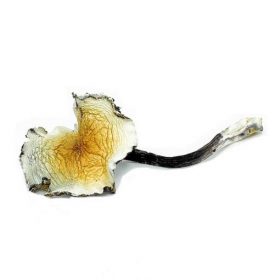
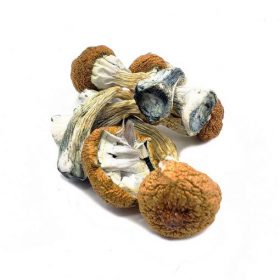
Rusty White Magic Mushrooms (Psilocybe Cubensis) are an albino shroom named for the unique rusty red spores they deliver. Great for the outdoors, this euphoric strain really intensifies nature walks, beach trips, and backyard bbqs.
Depending on the destination of the delivery ,It normally takes 3 – 5 days for a product to be delivered to a location after being purchased .Incase of any delay we will let the customer know the situation via e-mail.
Any Orders paid before 10:00 AM (PST) will ship the same business day. Any orders paid for after 10:00 AM (PST) will be shipped the following business day (Excluding Holidays)
If you haven’t received your tracking code , its most likely that you haven’t paid or complete your payment for your order. In which case you should do so,then your order will be processed and you will receive your tracking. But if you made complete payment but still havent received your tracking code, then contact support on live chat please
Incase you don’t have any of the listed payment methods and still want to make payment via another method you have, please contact our surpport agent on our live chat app and know if we accept that kind of payment
White mushrooms are among the most widely consumed fungi in the world, valued for their mild flavor, versatility, and nutritional benefits. From everyday grocery staples to rare specialty strains, mushrooms appear in many forms across culinary, medicinal, and cultural traditions.
Common edible varieties include snow mushrooms and enoki mushrooms, both known for their delicate appearance and unique textures. Beyond the kitchen, mushrooms also include species that are studied for their historical and ethnobotanical importance, such as magic mushrooms.
Snow white mushrooms are prized for their clean color, soft texture, and adaptability in cooking. They are often used in stir-fries, soups, and light sauces where their subtle taste complements other ingredients.
Enoki mushrooms, recognizable by their long stems and small caps, are popular in East Asian cuisine. They add a crisp texture to hot pots, salads, and noodle dishes. Enoki mushrooms are also valued for being low in calories while offering fiber and micronutrients.
A common question is: do mushrooms have protein?
Yes — mushrooms contain plant-based protein, though in smaller amounts compared to legumes or meat. White mushrooms provide essential amino acids, making them a useful addition to balanced diets, especially for those seeking diverse non-meat protein sources. They also supply B vitamins, antioxidants, and minerals like selenium.
Magic mushrooms, particularly those containing psilocybin, have been used historically in spiritual and ceremonial contexts and are now studied in scientific research for their psychological effects.
Rusty White Magic Mushrooms (Psilocybe Cubensis) are an albino shroom named for the unique rusty red spores they deliver. Great for the outdoors, this euphoric strain really intensifies nature walks, beach trips, and backyard bbqs.
From an educational perspective, magic mushrooms are significant for their role in anthropology, mycology, and modern mental health research. Their study focuses on biology, taxonomy, and cultural history rather than culinary or commercial use.
Whether explored for nutrition, gastronomy, or scientific research, mushrooms represent an incredibly diverse group of fungi. From everyday white mushrooms and enoki mushrooms to rare and culturally significant magic mushrooms, these organisms continue to shape food systems, traditions, and academic study worldwide.



Reviews
There are no reviews yet.